Dehumidifiers & Humidifiers
Dehumidifiers and humidifiers work in opposite directions, so first decide whether you want moisture removed or added. Then compare capacity and energy fields that match the appliance type and your space.
What matters when choosing
Moisture-control capacity
For a dehumidifier, compare the rated moisture-removal output. Use the water removal capacity (pints/day) from the ENERGY STAR listing.
Energy
Compare energy data for the model you plan to use. Use the annual energy use (kWh/year) and the integrated energy factor (L/kWh) from the listing.
Skip this category if
- You need whole-building moisture control beyond a portable appliance.
- Your primary concern is ventilation rather than adding or removing room moisture.
Guides and comparisons
-
 Buying guideChoosing a Dehumidifier: Pint Ratings, Drainage and Energy Use
-
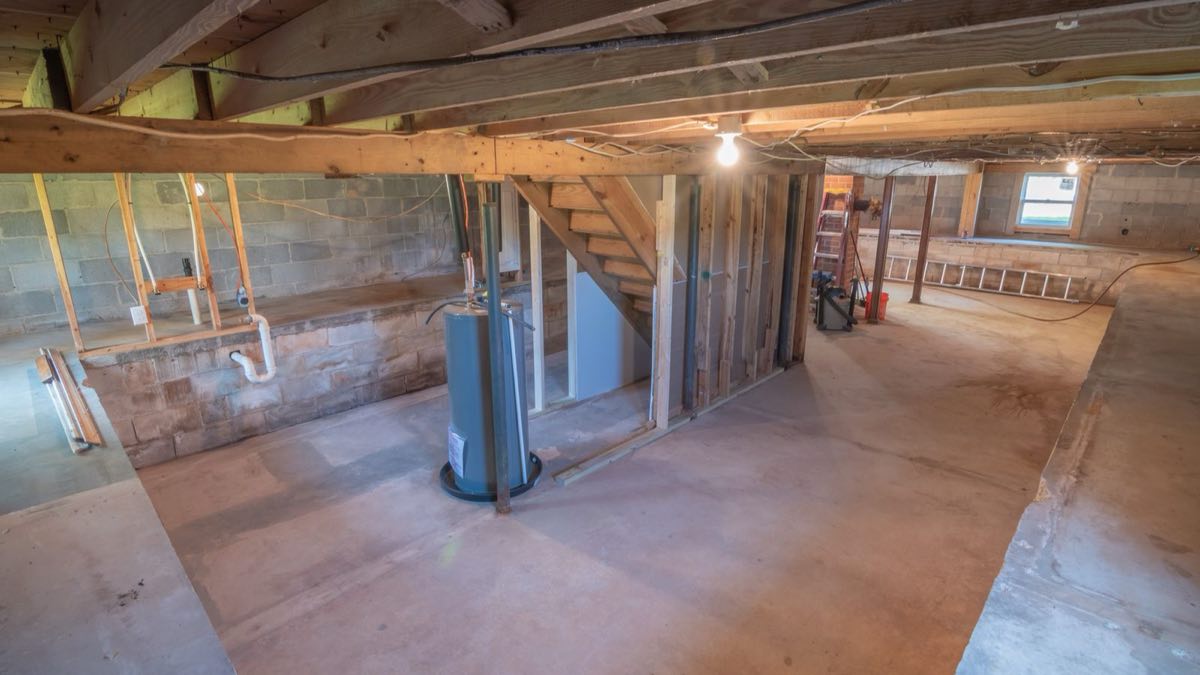 By your situationBasement Dehumidifiers: Sizing by Square Feet and Dampness Level
-
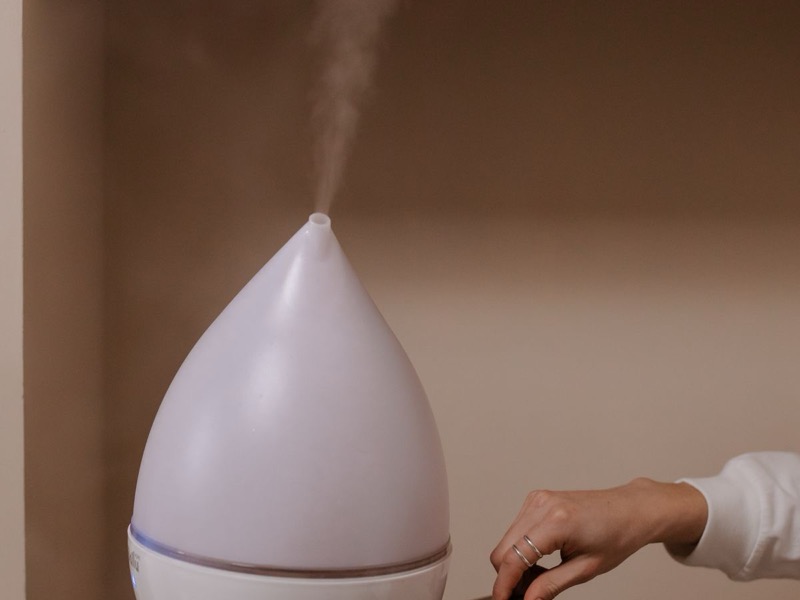 ComparisonHumidifier vs Dehumidifier: Which Fixes Your Humidity Problem?
Shortlists by use
Each list applies one stated rule to the official ENERGY STAR data (563 certified dehumidifiers in our data, updated 2026-11-06).
- Dehumidifiers with Wi-Fi 38 models
- Energy-Efficient Dehumidifiers 107 models
- ENERGY STAR Most Efficient Dehumidifiers 135 models
- Whole-Home Dehumidifiers 21 models
- Compact Dehumidifiers (25 Pints/Day or Less) 270 models
- 30+ Pint Dehumidifiers 268 models
- 40+ Pint Dehumidifiers 173 models
- 50+ Pint Dehumidifiers 32 models
- Low-Energy Dehumidifiers (250 kWh/Year or Less) 95 models
- Dehumidifiers with R-290 Refrigerant 75 models
- Dehumidifiers with R-32 Refrigerant 471 models
- High-Capacity, High-Efficiency Dehumidifiers 22 models
- Wi-Fi Dehumidifiers with 40+ Pints/Day Capacity 16 models
- Hisense Dehumidifiers 27 models
- Midea Dehumidifiers 55 models
Tool
Dehumidifier size calculator — official sizing tables with a list of matching models.
Model data pages
Common questions
What size dehumidifier do I need for my room?
Use the manufacturer’s room-size rating as the baseline, then account for ceiling height, whether the space is finished, and how often doors or windows are open. Plan where the unit will drain so humidity control does not depend on repeatedly emptying a tank.
How often should I empty my dehumidifier tank?
Empty the collection tank whenever the full indicator activates, following the manual’s shutoff instructions. With continuous drainage, confirm the hose cannot kink or sit above the tank outlet. Clean the tank and filter on the schedule in the manual.
Can I use a dehumidifier and humidifier at the same time?
A dehumidifier removes moisture and a humidifier adds it. Place each unit where its airflow and measurement are appropriate and use humidistats if available.
We compile and compare published data; we do not run our own product tests. See How We Compare.