Coffee
Coffee gear splits into espresso machines and standalone grinders, so decide which you are buying first. The figures below are read from the official U.S. product pages of 25 models (19 espresso machines and 6 grinders from Baratza, Breville, De'Longhi; specs read 2026-11-07). A maker page that does not print a figure counts as n/c, never as zero.
What matters when choosing
Machine type
4 of the 19 espresso machines call themselves fully automatic in the product name, and 7 list grind settings, which is how a built-in grinder shows in the data. The 6 grinders are standalone. Decide whether you want grinding, brewing and milk in one machine or as separate steps.
Pump pressure
16 of 19 espresso machine pages print a pump pressure: 13 list 15 bar and 3 list 19 bar. It is a stated figure; it does not tell you how a shot will taste.
Heating system
4 pages name a thermoblock, 2 a thermocoil, 2 a ThermoJet and 1 a dual boiler; 10 do not say (n/c). Check the heating system if you plan to make several drinks in a row.
Water tank and bean hopper
Listed water tanks run 1.03 to 2.48 L (median 1.8 L) on 14 pages; pages that give ounces are converted to liters. Bean hoppers run 8 to 12 oz where printed.
Grinder settings
Grind-setting counts run 15 to 30 steps where a page prints them (7 of 25 pages). A higher step count gives finer control but says nothing about grind quality.
Milk drinks
4 espresso machine pages describe hands-free or automatic milk texturing and 5 describe manual texturing; the rest do not say (n/c).
Noise
The maker pages we read do not state a sound level for these products (n/c). Use the maker’s own specification sheet for decibels.
Skip this category if
- You need commercial-volume output or continuous-duty service beyond a countertop machine.
- The required pod, filter, or cleaning system does not fit the way you want to brew.
Guides and comparisons
-
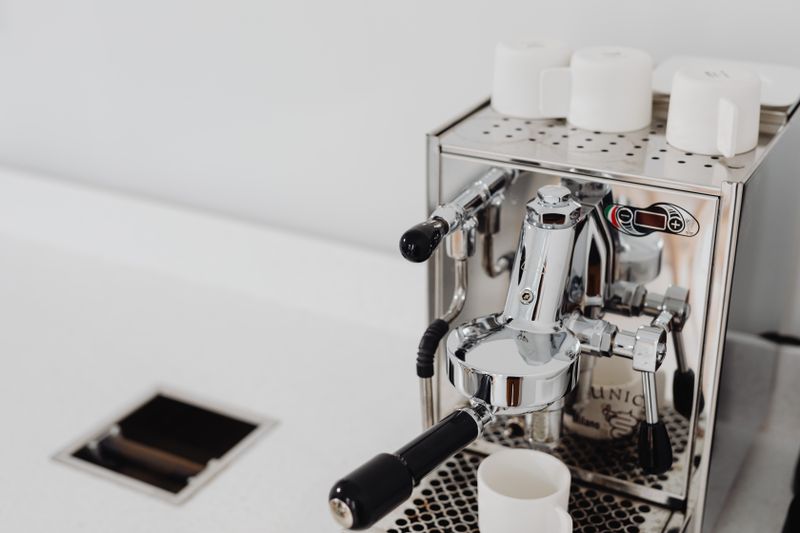 Buying guideYour First Espresso Machine: Grinder, Tamper and Other Things Beginners Miss
-
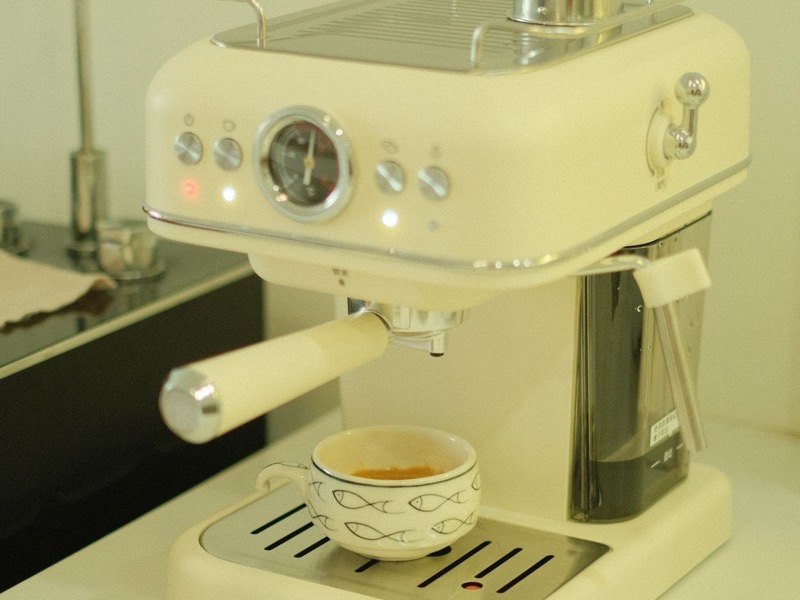 Buying guideSuper-Automatic Espresso Machines: What You Pay For and What You Give Up
-
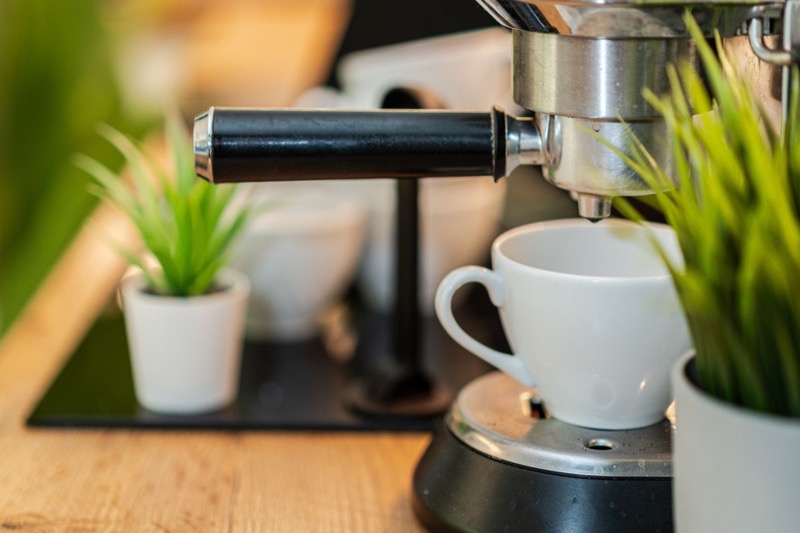 ComparisonPhilips 3200 LatteGo vs De'Longhi Magnifica Evo: Which Matches Your Routine
-
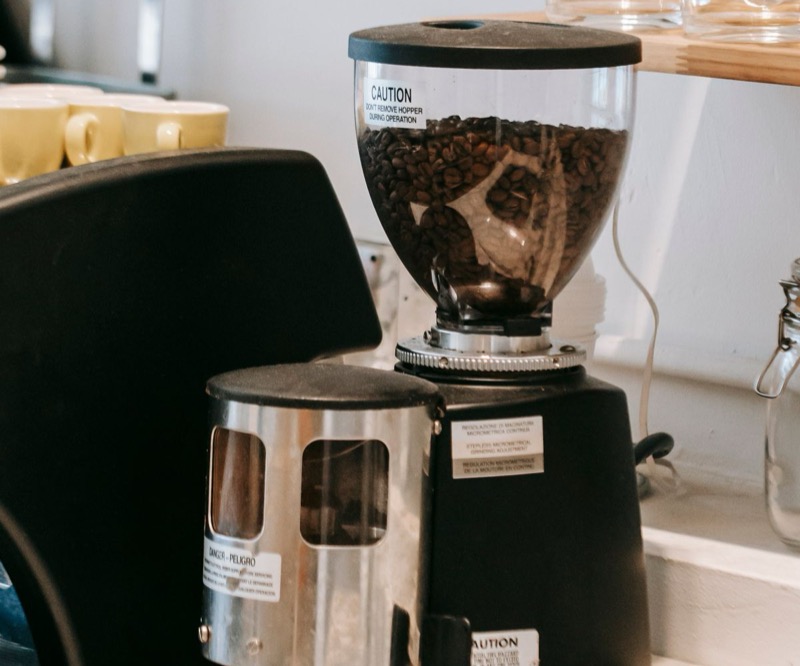 Buying guideBurr Grinders for Home Espresso and Brewing: What to Check Before You Buy
Model data pages
We compile and compare published data; we do not run our own product tests. See How We Compare.